
What Are Low Vision Aids?
Low vision aids are specialized optical devices designed to help people with visual impairments that cannot be fully corrected with regular eyeglasses, contact lenses, or medical treatment. These devices magnify images, enhance contrast, or provide illumination to help you perform everyday tasks more easily.
Whether you're dealing with macular degeneration, diabetic retinopathy, glaucoma, or other conditions affecting your vision, the right low vision aids can make a significant difference in your daily life—from reading and writing to watching television and recognizing faces.
Types of Low Vision Aids We Offer
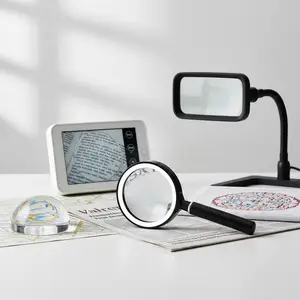
Magnifiers
Hand-held and stand magnifiers provide portable magnification for reading labels, menus, and other printed materials. Available in various strengths and with built-in lighting options.
Telescopic Glasses
Mounted on eyeglass frames, these devices help you see distant objects more clearly—ideal for watching television, recognizing faces across a room, or attending events.
Electronic Magnifiers
Video magnifiers and electronic reading devices offer adjustable magnification, contrast enhancement, and customizable color settings for optimal viewing comfort.
Prismatic Reading Glasses
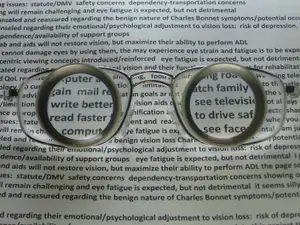
High-powered reading glasses that offer high magnification with built-in prisms to reduce eye fatigue.
Specialized Lighting
Task lighting and illuminated magnifiers help improve contrast and reduce glare, making it easier to read and perform detailed work.
High-Contrast Filters
Specialized tinted lenses and filters that enhance contrast and reduce glare, particularly helpful for those with light sensitivity or contrast issues.
Benefits of Low Vision Aids
The right low vision aids can transform your daily life by helping you:
- Read books, newspapers, and mail with greater ease and comfort
- Maintain independence in daily activities like cooking, shopping, and personal care
- Continue hobbies and interests such as crafting, sewing, or playing cards
- Watch television and movies with improved clarity
- Recognize faces and maintain social connections
- Navigate safely in various lighting conditions
- Use computers and mobile devices more effectively